
- All
- Product Name
- Product Keyword
- Product Model
- Product Summary
- Product Description
- Multi Field Search
Views: 0 Author: Site Editor Publish Time: 2025-09-30 Origin: Site


Are you considering upgrading your outdoor space with WPC decking? This modern material blends wood fibers and plastic, offering durability and aesthetic appeal. Understanding its lifespan is crucial for making an informed decision. In this post, you'll learn about the composition, advantages, and longevity of various WPC decking types, including Classic, 3D Embossed, and Co-extrusion options.
WPC decking, or wood-plastic composite decking, blends wood fibers and plastic materials, usually polyethylene or polypropylene. This mix creates a material that combines the natural look of wood with plastic’s durability. Wood fibers give it a warm, natural appearance and some strength, while plastic adds resistance to moisture, rot, and insects. The plastic also helps prevent the decking from warping or cracking, common problems in traditional wood decks.
Manufacturers often add bonding agents and UV stabilizers to improve the product’s performance. These additives help the decking resist fading from sun exposure and increase its lifespan. Some WPC products also include recycled wood and plastic, making them eco-friendly options.
The manufacturing process typically involves extruding the mixture into planks or boards. This process ensures a consistent texture and density, which helps the decking withstand outdoor elements better than natural wood.
WPC decking offers several benefits over traditional wood:
Durability: It resists rot, decay, and insect damage, thanks to its plastic content.
Low Maintenance: No need for frequent staining, sealing, or painting. Cleaning with soap and water usually suffices.
Weather Resistance: It handles rain, snow, heat, and UV rays without significant damage.
Aesthetic Appeal: WPC mimics wood grain and texture, providing a natural look.
Eco-Friendly: Many products use recycled materials, reducing environmental impact.
Color Stability: UV inhibitors minimize fading, keeping colors vibrant longer.
Safety: The material is less likely to splinter, reducing injury risks.
Versatility: Available in various colors, finishes, and sizes to fit different designs.
Because of these advantages, WPC decking is popular in outdoor spaces like patios, balconies, and pool surrounds. It offers a practical solution that balances beauty, durability, and ease of care.
Tip: When selecting WPC decking, prioritize products with high-quality UV stabilizers and bonding agents to ensure better durability and color retention over time.
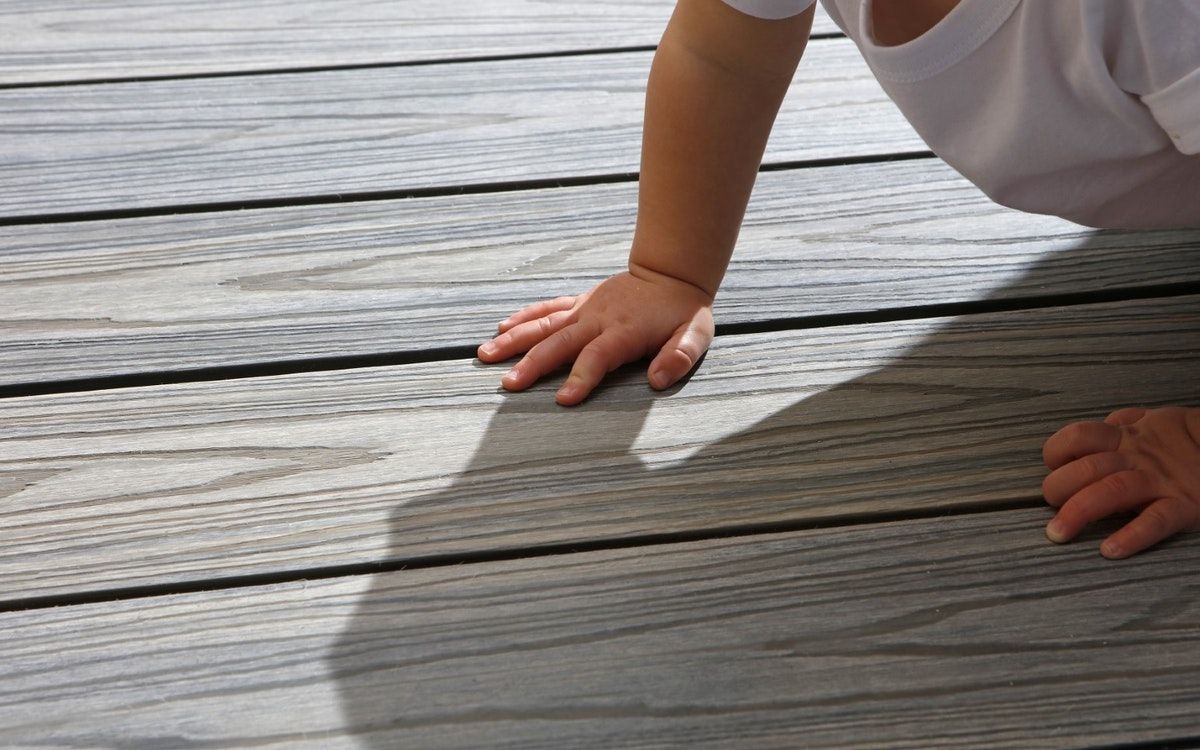
WPC decking typically lasts between 10 and 30 years, depending on the product quality and environmental conditions. Most standard WPC decks offer a lifespan of about 15 to 20 years, which is considerably longer than traditional wood decking that usually lasts 10 to 15 years. Premium WPC products, often enhanced with advanced UV stabilizers and high-quality composites, can extend this lifespan up to 25 or even 30 years under proper care.
This longevity is mainly due to the composite nature of WPC, combining wood fibers and plastic, which improves resistance against moisture, rot, and insect damage. Unlike natural wood, WPC decking does not warp, crack, or splinter easily, helping it maintain structural integrity over a longer period.
Several factors influence how long WPC decking will last:
Material Quality: Higher-grade composites with better bonding agents and UV inhibitors last longer and resist fading, cracking, and wear better than lower-quality products.
UV Exposure: Prolonged exposure to sunlight can cause color fading and surface degradation. WPC decking with built-in UV stabilizers resists this better.
Climate and Weather: Areas with extreme temperatures, heavy rainfall, or high humidity can affect decking durability. WPC generally handles these conditions well but may require more maintenance in harsh climates.
Installation: Proper installation ensures good drainage and ventilation, preventing water buildup and reducing the risk of mold or structural damage.
Maintenance: Regular cleaning to remove dirt, debris, and organic material prevents surface damage and prolongs lifespan. Neglect can lead to faster deterioration.
Environmental Factors: Exposure to pollutants, chemicals, or heavy foot traffic can accelerate wear and tear.
By choosing high-quality WPC decking and maintaining it properly, you can maximize its lifespan and enjoy a durable, attractive outdoor space for many years.
Tip: Always select WPC decking with strong UV protection and follow manufacturer installation guidelines to ensure maximum durability and lifespan.
WPC decking stands out for its impressive durability compared to traditional wood. Because it blends wood fibers with plastic, it resists common problems like rot, decay, and insect damage. Unlike wood, it won’t warp or crack easily, even after years of exposure to rain, snow, or intense sunlight. This resistance makes it a smart choice for outdoor spaces where weather can be harsh.
The plastic component acts as a shield against moisture, preventing water absorption that usually causes wood to swell or rot. Plus, many WPC products include UV stabilizers, which reduce fading and surface degradation caused by the sun. This means your deck keeps its color and strength longer, maintaining a fresh, attractive look.
One of the biggest advantages of WPC decking is how little maintenance it needs. Traditional wood decks require regular sealing, staining, or painting to protect them from weather damage and maintain their appearance. WPC decking skips all that.
Cleaning your WPC deck is simple—usually just soap, water, and a brush to remove dirt and grime. No sanding or refinishing needed. This low upkeep saves time and money, making WPC an efficient choice for busy homeowners or commercial properties.
Additionally, WPC decking is less prone to splintering, which reduces the risk of injuries and eliminates the need for frequent repairs. It also resists stains and chemicals better than wood, so spills from outdoor cooking or gardening don’t cause lasting damage.
Tip: Choose WPC decking products featuring strong UV protection and high-quality composites to ensure maximum durability and minimal maintenance over time.
One of the main reasons WPC decking lasts so long is its strong resistance to UV rays and environmental elements. The sun’s ultraviolet rays can cause materials to fade, crack, or weaken over time. However, WPC decking often contains UV stabilizers that help protect it from this damage. These stabilizers absorb or block harmful rays, keeping the decking’s color vibrant and the surface intact for many years.
Besides sunlight, WPC decking faces rain, snow, humidity, and temperature changes. The plastic component in WPC acts as a barrier against moisture, preventing water absorption that usually leads to rot or swelling in traditional wood. This moisture resistance helps maintain the deck’s strength and appearance even in wet or humid climates.
WPC decking also resists insect damage, unlike natural wood. Termites and other pests cannot easily harm the composite material, which adds to its durability. Additionally, many WPC products are designed to withstand temperature fluctuations without warping or cracking, making them suitable for various climates.
The quality of materials used in WPC decking greatly influences its lifespan. Higher-quality composites contain a better balance of wood fibers, plastics, and additives. These additives include bonding agents that hold the mixture together firmly and UV inhibitors that protect the surface.
Premium WPC decking often uses recycled materials but ensures strict quality controls during production. This results in a denser, more uniform product that resists wear, fading, and damage longer than lower-grade options. The manufacturing process, such as extrusion or molding, also affects the decking’s consistency and strength.
Different types of plastics, like polyethylene or polypropylene, may be used, each offering slightly different properties. Some manufacturers add fire retardants or anti-fungal agents to enhance safety and longevity. Choosing decking from reputable brands that disclose their material composition and offer warranties helps ensure you get a durable product.
Tip: When selecting WPC decking for commercial or residential projects, prioritize products with proven UV resistance and high-quality composite blends to maximize lifespan and maintain appearance over time.
Keeping your WPC decking clean is the first step to extending its life. Dirt, leaves, and grime can build up over time, causing stains or encouraging mold growth. To prevent this:
Sweep your deck regularly to remove loose debris.
Wash the surface with warm water and mild soap using a soft brush or sponge.
Avoid harsh chemicals or pressure washers as they can damage the surface.
For stubborn stains, use a composite deck cleaner recommended by the manufacturer.
Cleaning not only keeps the deck looking fresh but also helps prevent surface deterioration. Regular upkeep stops dirt and organic matter from settling deep into the material, which can cause discoloration or promote fungal growth.
Beyond cleaning, protecting your WPC deck from environmental stressors is essential:
Trim nearby trees and bushes to reduce leaf litter and moisture buildup.
Ensure proper drainage and ventilation under the deck to avoid standing water.
Use outdoor furniture pads to prevent scratching or denting.
Consider applying a UV-protective sealant if recommended by the decking brand, especially in areas with intense sunlight.
Additionally, placing shade structures like pergolas or awnings can shield the deck from harsh sun exposure, reducing fading and heat buildup. In colder climates, clear snow promptly to prevent moisture damage and avoid using metal shovels that might scratch the surface.
By combining regular cleaning with these protective steps, you help maintain the decking’s appearance and structural integrity for many years.
Tip: Schedule a simple cleaning routine every few months and inspect your WPC deck for signs of wear or damage to catch issues early and prolong its lifespan.
When comparing WPC decking to traditional wood, durability stands out. Wood decks often suffer from rot, insect damage, and warping over time. They usually require annual sealing, staining, or painting to stay in good shape. In contrast, WPC decking resists moisture, insects, and cracking because of its plastic content. This means it maintains structural integrity longer and demands less upkeep.
Wood decks can splinter, posing safety risks, especially for children and pets. WPC decks, however, offer a splinter-free surface, making them safer to walk on barefoot. Additionally, wood’s natural look fades and grays without regular treatment, whereas WPC decking is designed to retain color longer thanks to UV stabilizers.
Installation-wise, wood is often heavier and can be harder to work with, while WPC boards are uniform and easier to install using hidden fasteners. Over the lifespan, wood decks may need costly repairs or replacement sooner, while WPC decks offer a more predictable, longer-lasting investment.
PVC decking is made entirely from plastic, unlike WPC which combines wood fibers and plastic. This gives PVC decks excellent resistance to moisture, mold, and insects, often outperforming WPC in these areas. PVC decks also typically require very little maintenance—no staining or sealing is needed.
However, PVC decking can feel less natural underfoot and may look more synthetic, which some homeowners find less appealing. WPC decking, with its wood fiber content, better mimics the look and texture of real wood, offering a warm, natural aesthetic.
In terms of durability, both materials last a long time, often 25 to 30 years or more with proper care. PVC may resist fading and staining slightly better due to its plastic makeup, but high-quality WPC products with UV inhibitors also perform well against sun damage.
Cost-wise, PVC decking tends to be more expensive upfront than WPC. WPC offers a balance between natural appearance, durability, and price, making it a popular choice for many.
Tip: When choosing decking material, consider the balance between appearance, maintenance, and lifespan to select the best fit for your project’s needs.
WPC decking typically lasts 10 to 30 years, offering durability and low maintenance. It resists rot, insects, and weather damage, making it a smart choice for outdoor spaces. When choosing WPC decking, consider factors like UV resistance and material quality for longevity. Everok's WPC decking provides exceptional value with its eco-friendly composition and aesthetic appeal, ensuring a long-lasting, attractive outdoor solution.
A: WPC decking typically lasts 15 to 30 years, outlasting traditional wood decking, which generally lasts 10 to 15 years.
A: WPC decking offers durability, low maintenance, weather resistance, and aesthetic appeal, making it ideal for outdoor spaces.
A: Yes, options include Classic WPC Decking, 3D Embossed WPC Decking, and Co-extrusion WPC Decking, each offering unique textures and finishes.
A: WPC decking combines wood and plastic for a natural look, while PVC is fully plastic, offering greater moisture resistance but often at a higher cost.


