
Views: 0 Author: Site Editor Publish Time: 2026-04-22 Origin: Site


Many property owners choose Maintenance Free WPC Outdoor Flooring because they want the natural look of wood without the demanding upkeep that traditional timber surfaces often require. That expectation is reasonable, but it can also create confusion. “Maintenance free” does not mean “never needs cleaning.” In real outdoor environments, even high-quality WPC flooring is still exposed to dust, mud, leaves, grease, rainwater, pollen, spilled drinks, and foot traffic throughout the year. Over time, this buildup can affect appearance, reduce slip resistance, and make the floor look older than it really is. The good news is that cleaning WPC outdoor flooring the right way is usually simple, quick, and far less labor-intensive than sanding, sealing, or repainting wood. Once you understand the right tools, the right cleaning methods, and the mistakes to avoid, you can keep your outdoor flooring looking clean, safe, and presentable with very little effort over the long term.
Before discussing cleaning methods, it helps to clarify what “maintenance free” means in practical use. WPC stands for wood plastic composite, a material designed to combine the visual appeal of wood fiber with the durability and low-maintenance advantages of polymer-based materials. This type of flooring is commonly used for terraces, patios, balconies, poolside areas, garden walkways, rooftop spaces, and commercial outdoor projects.
When manufacturers describe WPC flooring as maintenance free, they usually mean that the product does not require frequent painting, oiling, staining, sealing, or surface refinishing like natural wood. In other words, the flooring is engineered to reduce long-term upkeep. However, basic cleaning is still necessary if you want the surface to stay attractive and perform well in outdoor conditions.
That is why the best cleaning approach is not aggressive treatment. It is regular, sensible care.
Some users assume that because WPC flooring is durable, any cleaning method will work. In reality, proper cleaning protects both appearance and performance. When dirt and residue remain on the surface too long, they can cause several common problems:
· the floor looks dull or patchy
· organic debris may trap moisture
· surface grime can increase slipperiness
· stains become harder to remove later
· drainage gaps may collect buildup
A simple cleaning routine helps prevent these issues before they become noticeable. It also supports the visual consistency of the floor, which is especially important in hospitality, residential, retail, and landscape projects where the flooring is part of the overall design impression.
One of the biggest mistakes people make when cleaning outdoor composite flooring is using tools that are unnecessarily harsh. WPC surfaces are strong, but they should still be treated with care.
For most routine cleaning jobs, the following tools are enough:
· a soft broom or outdoor brush
· a mop or microfiber cloth
· a bucket of warm water
· mild soap or a gentle household cleaner
· a garden hose
· a soft-bristle scrub brush for spot cleaning
Some tools can damage the surface finish or make cleaning less effective:
· steel wool
· metal scrapers
· hard wire brushes
· strong solvent-based cleaners
· overly concentrated bleach
· abrasive polishing pads unless approved for the product
The safest approach is to begin gently and only increase cleaning strength when the stain or buildup truly requires it.
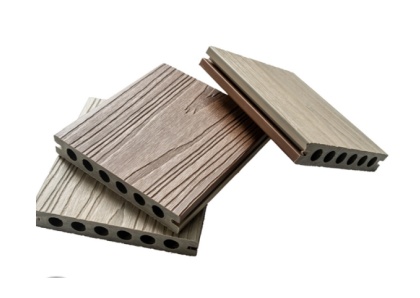
For normal day-to-day care, cleaning Maintenance Free WPC Outdoor Flooring is usually straightforward. In many cases, the floor only needs periodic sweeping and occasional washing.
Use a broom or blower to remove leaves, dust, sand, and other loose materials. This step is more important than it seems. If debris remains on the floor while washing, it can spread mud or create extra friction during scrubbing.
Use clean water from a hose to loosen surface dirt. This can also help identify areas where deeper cleaning is needed. For lightly soiled floors, rinsing alone may already improve appearance significantly.
Mix warm water with a mild cleaning solution and use a mop or soft brush to clean the floor. Work in sections so that dirt does not dry back onto the surface.
After washing, rinse away any remaining soap. Leaving cleaner residue behind can make the floor look cloudy or attract more dirt over time.
In most outdoor conditions, WPC flooring dries quickly with normal airflow and sunlight.
This routine can be done weekly, monthly, or seasonally depending on the installation location and the amount of use.
Not every stain should be treated the same way. A food spill, a grease mark, and a mud stain all behave differently on an outdoor flooring surface. The key is to respond quickly and clean according to the type of residue.
For spills such as coffee, juice, wine, or sauce, wipe the area as soon as possible with a damp cloth. Then clean it with warm water and mild soap. Fresh stains are usually much easier to remove than dried stains.
Let thick mud dry slightly if needed, then sweep away loose material before washing. If you try to scrub heavy wet mud immediately, it may simply spread across the surface.
Use a gentle degreasing cleaner that is suitable for composite outdoor flooring. Apply it to the stain, allow a short contact time if necessary, then scrub with a soft-bristle brush and rinse thoroughly. Avoid strong industrial solvents unless the flooring supplier specifically approves them.
In shaded or damp outdoor areas, mold or mildew can sometimes appear, especially if leaves or debris are left in place for too long. In such cases, clean the area with a mild cleaning solution designed for outdoor surfaces, scrub gently, and rinse well. Improving airflow and removing organic debris regularly can help prevent the problem from returning.
The table below can help users match the cleaning method to the type of contamination.
Cleaning Situation | Recommended Method | Tools Needed | Notes |
Light dust and daily dirt | Sweep and rinse | Soft broom, hose | Good for routine care |
Mud and footprints | Wash with mild soap | Mop or soft brush, bucket | Clean after debris is removed |
Food and drink spills | Wipe and spot clean quickly | Cloth, mild cleaner | Faster cleaning reduces staining risk |
Oil or grease marks | Use gentle degreaser and rinse | Soft brush, approved cleaner | Avoid harsh solvents |
Mold or mildew spots | Clean with mild outdoor cleaner | Brush, water, cleaner | Also clear leaves and improve drainage |
Seasonal deep cleaning | Full rinse, wash, and inspect gaps | Hose, brush, soap solution | Useful before or after peak use season |
This kind of simple cleaning schedule helps preserve both the look and functionality of the floor without making maintenance complicated.
Cleaning Maintenance Free WPC Outdoor Flooring the right way is not about using the strongest chemicals or the most aggressive equipment. In most cases, the best results come from regular sweeping, timely washing, gentle spot cleaning, and avoiding habits that create unnecessary surface stress. When owners understand that “maintenance free” means low-maintenance rather than zero care, the cleaning process becomes much more realistic and much more effective. From our perspective, well-designed WPC flooring performs best when it is paired with practical cleaning habits and product knowledge that matches real outdoor use. At Zhejiang Everok New Material Co., Ltd., we believe customers benefit most from clear guidance, suitable product selection, and a realistic understanding of long-term performance rather than exaggerated promises. If you want to explore more about WPC outdoor flooring, cleaning methods, and application options for different outdoor projects, it may be worthwhile to learn more from Zhejiang Everok New Material Co., Ltd. and discuss what approach fits your needs best.
Yes. It does not usually require painting, sealing, or sanding, but it still benefits from regular sweeping and occasional washing to remove dirt, stains, and organic debris.
A mild soap solution or a gentle cleaner suitable for composite outdoor surfaces is usually the safest choice for routine cleaning.
Mold can develop on surface dirt or trapped organic matter in damp environments, especially in shaded areas. Regular cleaning and good drainage help reduce the risk.
No. Pressure washing can be useful for stubborn dirt, but it should be done carefully with low pressure, a suitable spray tip, and a safe distance from the surface.


