
- All
- Product Name
- Product Keyword
- Product Model
- Product Summary
- Product Description
- Multi Field Search
Views: 0 Author: Site Editor Publish Time: 2025-11-14 Origin: Site


Composite fences are made from wood fibers and recycled plastics. These fences are strong and reliable for your home. People pick composite fencing because it lasts longer than wood or vinyl. It does not rot or get damaged by insects. It also looks new with little care. Composite materials help the environment. They come in many styles and colors. Your fence can match your yard. If you want a fence that handles weather and lasts long, composite fencing is a good choice.
Composite fences use recycled wood fibers and plastics. This makes them strong and good for the environment. These fences can last more than 25 years. They do not rot or get damaged by bugs. They also stand up to bad weather. This helps you save money because you need fewer repairs. Composite fencing is easy to take care of. You only need to clean it with soap and water. You do not have to paint or stain it. Composite fences come in many styles and colors. They make your yard look nice and stay tough. Picking composite fencing helps the planet. It cuts down on waste and saves trees.
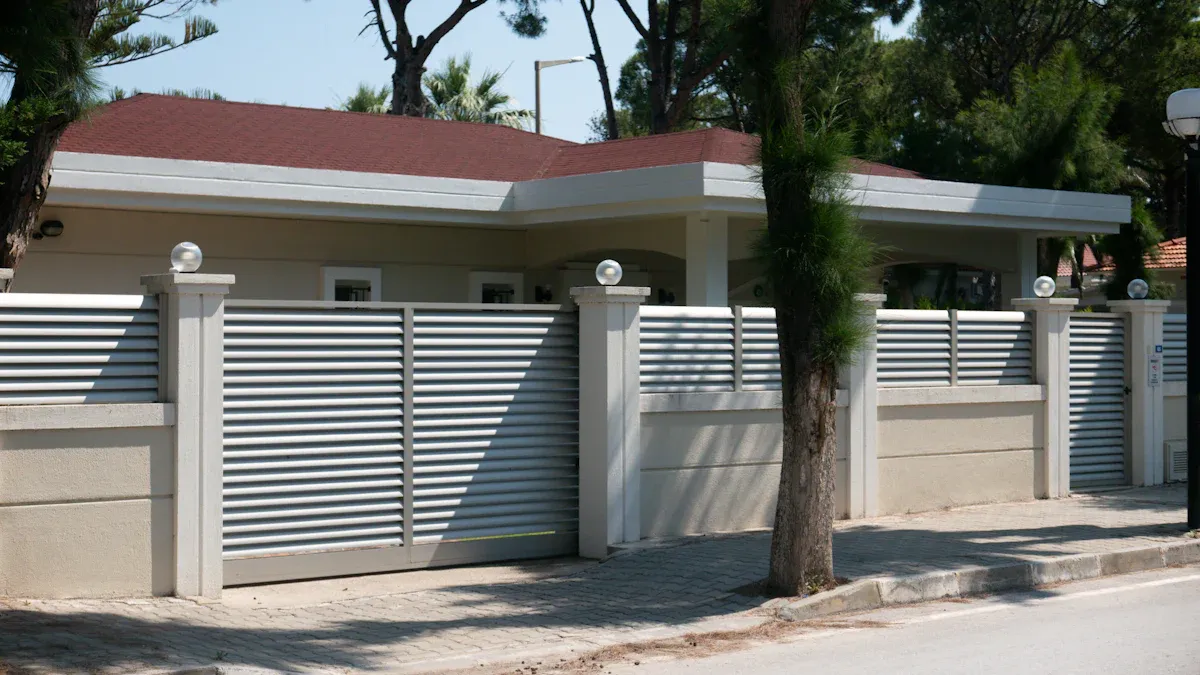
You may wonder how composite fences are not like regular fences. Composite fencing uses both recycled wood fibers and recycled plastics. This mix makes the fence look like real wood and stay strong in bad weather. The wood fibers help the fence look warm and natural. The plastic keeps water, rot, and bugs away. Most composite fences have about 60% wood fibers and 40% recycled plastic. These materials come from things like sawdust, wood chips, milk jugs, and shopping bags. Picking composite fences helps the planet and cuts down on waste.
Composite fences last longer than wood fences. You do not have to worry about mold or bugs. The recycled parts make the fence tough and good for the earth. Some composite boards use up to 95% recycled stuff. This means fewer trees are cut and less plastic goes to the dump.
Here is a quick look at how different companies make composite fencing:
Manufacturer | Material Composition | Key Features |
|---|---|---|
Everok | Co-extruded recycled wood-plastic blend | Anti-crack, weather-resistant, eco-friendly |
Trex | High percentage of recycled wood-plastic blend | Resists warping and cracking |
Fiberon | UV-resistant coatings, co-extruded layers | Enhanced fade protection |
SimTek | Dense polymer composites | Mimics stone textures |
CertainTeed | Lighter color options | Reflects sunlight |
The amount of wood and plastic changes how the fence looks and lasts. Some composite fences have extra things like UV blockers and anti-mold chemicals. These help the fence stay strong and nice for a long time.
You might ask how composite fences are made. First, workers collect recycled wood fibers and plastics. The wood fibers are dried so they do not get moldy and last longer. Then, the dried wood and plastics are mixed with special chemicals. This mix is melted and blended together.
Next, the melted mix is pushed through molds to make fence panels. The panels are cooled in three steps to stop cracks inside. After cooling, the panels get surface treatments for color and texture. You can pick from many looks, like wood grain or modern styles.
At Everok, we use special co-extrusion technology for our WPC fencing. This way, we mix many materials for better fences. Our composite fences are good for the earth, can be recycled, and do not crack in bad weather. We check every batch for quality. We do size checks, UV tests, and pressure tests. You get a fence that meets high standards.
Here are the main steps to make composite fencing:
Collect recycled wood fibers and plastics.
Dry the wood fibers.
Mix the dried wood and plastics with chemicals.
Melt and blend the mix.
Push the mix into fence panel shapes.
Cool the panels in steps.
Add surface treatments for style.
Check for quality.
Pack and ship the finished fences.
Composite fencing is made to last a long time. Your fence can last 25 to 30 years with little care. Picking composite fences gives you a strong, nice-looking, and earth-friendly choice for your yard.
Composite fencing is very strong. It stands up to rain, snow, and sun. The boards do not bend or break when wet. They keep their shape and color for many years. This makes composite fencing good for any weather.
Everok composite boards stop water and bugs. They do not rust or rot. These things help your fence last longer.
Composite fences last longer than wood or vinyl. Here is a chart that shows how long each fence type lasts:
Fencing Type | Average Lifespan |
|---|---|
Composite | 25 years or more |
Wood | 10-15 years |
Vinyl | 25 years or more |
A strong fence does not need many repairs. Composite fences do not rot or get eaten by bugs. You can trust your fence to look good for a long time.
Composite fences are easy to care for. You do not need to paint or stain them. Cleaning is simple with soap and water. Wood fences need sealing every year. Composite fences do not crack or need fixing often.
Here is a chart that shows how much work each fence needs:
Fencing Type | Maintenance Tasks |
|---|---|
Composite | Minimal upkeep, no staining or sealing required. |
Wood | Requires staining and sealing every 2-3 years. |
Vinyl | Occasional cleaning with soap and water. |
Composite fences need very little care.
They do not rot or get ruined by bugs.
You save time and money because you do not fix them often.
You can enjoy your yard more. You do not have to work on your fence much. Busy people like composite fences because they are easy.
Composite fences help the earth. They use recycled wood and plastic. This means less trash and fewer trees cut down. You help nature by picking composite fencing.
Composite fences use recycled stuff.
They last longer than wood and do not rot.
Many composite fences have warranties.
Everok makes fences that are good for the planet. Our boards can be recycled. They meet green building rules. You can feel proud of your choice.
Composite fences come in many styles. You can pick colors and textures you like. Some look like wood. Others look modern or old-fashioned.
Charcoal Gray: Good for modern homes.
Walnut Brown: Looks like real wood.
Cedar Tone: Looks like wood but needs no care.
Black: Makes your yard look bold.
Weathered Gray: Looks old and beachy.
Woodgrain Texture: Looks like wood but does not rot.
Smooth Finish: Looks clean and simple.
Embossed Texture: Looks like timber and hides dirt.
You can mix boards to make your fence special. Composite fences keep their color and do not fade fast. Your fence will look nice for many years.
Composite fences are easy to put up. Most jobs take one to three days. The boards fit together well. You do not need special tools or skills.
Most composite fences take 1 to 3 days to install.
Wood fences take longer because you must cut and build more.
Metal fences take longer because they are heavy and need careful work.
Everok helps you install your fence. You can pick the style and size you want. The process is quick. You can enjoy your new fence soon.
Composite fences are strong, easy to care for, good for the earth, and look nice. You get a fence that lasts, looks great, and helps nature.

When you look at wood and composite fences, you see they are not the same. Composite fencing is made with recycled wood fibers and plastics. This mix makes the fence strong against rot and bugs. It also keeps the fence safe from bad weather. Wood fences can have problems with rain and insects. After a few years, wood fences might rot or get moldy. Bugs like termites can eat wood and cause damage. This can cost a lot to fix.
Composite fences do well in tough weather. The plastic in the boards keeps water out. You do not have to worry about mold or rot. Composite fences last much longer than wood fences. You also save time and money on care. Wood fences need to be stained or sealed every few years. Composite fences only need to be rinsed with water.
Here is a chart that shows how much you spend over time:
Fence Type | 20-Year Maintenance Cost |
|---|---|
Wood Fencing | $1,500 - $3,000 |
Composite Fencing | $200 - $300 |
Wood fences need a lot of care.
Composite fences need very little work.
Over 20 years, composite saves you money.
Everok composite fences keep out water, bugs, and rot. You get a fence that is strong and lasts for many years.
You might wonder how composite fencing is different from vinyl and metal. Composite fencing uses recycled materials. This helps the earth. Vinyl is made from oil and does not break down in nature. Some vinyl fences can be recycled, but most go to landfills. Metal fences can be recycled, but making them uses a lot of energy.
Composite fencing has many good points:
Advantage | Description |
|---|---|
Easy Installation | Panels go together fast and easy. |
Environmentally Friendly | Uses recycled wood and plastic, so it saves trees and cuts waste. |
Longevity | Lasts 30 years or more, longer than wood or vinyl. |
Durability | Handles water, rot, and bugs without problems. |
Aesthetically Pleasing | Comes in many colors and styles, even ones that look like wood. |
Low-maintenance | Only needs simple cleaning, no painting or staining. |
Everok composite fences are made to stop water, rust, and bugs. You get a fence that looks nice and helps the planet.
Composite fencing gives you a strong and earth-friendly choice. You do less work, save more money, and your fence lasts a long time.
When you look at the pros and cons of composite fencing, cost is often the first thing you notice. Composite fence panels usually have a higher upfront price than wood or vinyl. Here is a quick comparison:
Fencing Type | Cost per Linear Foot |
|---|---|
Composite | $25 - $45 |
Wood | $15 - $30 |
Vinyl | $20 - $35 |
Metal | $30 - $60 |
You pay more at the start for composite fence panels, but you save money over time. The impressive lifespan of composite fencing means you do not need to replace or repair it often. Over 20 years, the total cost is similar to wood and vinyl, and less than metal. Here is a table to help you see the long-term value:
Fencing Material | Estimated Total Cost (20 years) |
|---|---|
Composite | $4,200–$7,800 |
Vinyl | $3,400–$6,600 |
Wood | $4,000–$8,000 |
Metal | $5,500–$11,200 |
You should know the pros and cons of composite fencing before you decide. Some common drawbacks include:
Drawback | Description |
|---|---|
Fading and Discolouration | Composite fence panels may lose color over time in strong sunlight. |
Mould and Mildew Growth | Damp areas can cause mold or mildew to appear. |
Expansion and Contraction | Temperature changes can make panels expand or contract. |
Higher Initial Cost | You pay more at the start than for wood or vinyl. |
Less Flexibility | Composite is less flexible in design than metal. |
Less Commonly Used | You may find fewer style options in some areas. |
Manufacturers use advanced technology to fight fading and scratching. Many composite fence panels have a 360° co-extrusion layer that blocks UV rays and resists stains. This helps keep your fence looking new and adds to its impressive lifespan.
Homeowners often ask about cleaning and care. You can keep your composite fence panels in top shape with a few simple steps:
Clean your fence with soap and water to stop dirt and mildew.
Fix small cracks or chips right away.
Check your fence after storms for any damage.
Use a UV-blocking sealant every few years to protect color.
Mold and fading may happen, but these issues are easy to manage. Fading usually stops after a few months. Mold can be cleaned with a soft brush and soapy water. With regular care, you enjoy an impressive lifespan and long-term value from your fence.
Tip: Composite fencing gives you a strong, low-maintenance option with an impressive lifespan. You get peace of mind and a fence that looks great for years.
Composite fencing has lots of good points for homes and businesses. You get a fence that is:
Good for the earth because it uses recycled things.
Nice-looking with many colors and styles to pick from.
Simple to care for since you just clean it sometimes.
Tough and strong, lasting more than 30 years.
Saves money because you do not spend much on repairs.
You can use composite fencing for almost any job. If you want a fence that works for you, Everok can help you choose the best one.
You can expect composite fencing to last over 25 years. The boards resist rot, insects, and harsh weather. You do not need to replace panels often. This makes composite fencing a smart choice for long-term value.
You clean your fence with soap and water. You do not need to paint or stain it. Check for dirt and rinse with a hose. Remove snow in winter and check drainage holes during rainy seasons.
You can install composite fencing with basic tools. Panels fit together easily. Many homeowners follow a composite fencing installation guide for step-by-step help. You save money by doing the work yourself.
You help the planet when you choose composite fencing. The boards use recycled wood and plastic. This reduces waste and saves trees. You support green building standards with your choice.
You find many styles and colors for composite fencing. Choose woodgrain, smooth, or embossed textures. Pick from gray, brown, black, or cedar tones. You match your fence to your yard or home easily.


