
Views: 0 Author: Site Editor Publish Time: 2026-06-16 Origin: Site


Poolside and garden environments test outdoor building materials to their absolute physical limits. Constant moisture exposure, harsh chlorine splashes, direct UV radiation, and decaying organic debris combine to create a perfect storm for material degradation. Traditional timber and un-capped first-generation composites frequently fail under these intense environmental stresses. They absorb standing water rapidly. This immediate moisture intake directly leads to severe warping, dangerous splintering, and structural rot within just a few short seasons.
Fortunately, the construction industry has evolved significantly to meet these demands. We will explore how modern engineered solutions like co-extrusion fundamentally resolve deep moisture penetration and stop accelerated degradation. This comprehensive guide provides an objective evaluation of waterproof mechanics, practical durability metrics, and essential installation realities. Specifiers and decision-makers will gain actionable insights. You will learn exactly how to select resilient surface materials tailored for highly demanding wet zones.
Shield Technology: Co-extrusion relies on a 360-degree polymer cap that physically blocks moisture absorption, fundamentally outperforming first-generation porous composites.
Performance Metrics: Superior waterproof outdoor decking requires assessing water absorption rates (<1%), UV colorfastness, and slip-resistant surface textures.
Structural Selection: Choosing between hollow and solid board profiles depends on budget, expected load capacity, and thermal dynamics in the specific garden or pool area.
Installation Realities: Long-term durability relies heavily on proper sub-frame ventilation, specific thermal expansion gap spacing, and appropriate joist materials.
Wet zones demand far more than basic weather resistance from building materials. We must clearly define the exact mechanisms of structural failure in these areas. Traditional unprotected wood fibers act like rigid sponges when placed near water. They absorb ground moisture and standing rain almost immediately. This rapid water intake causes severe cellular swelling inside the board. Over time, you will observe noticeable warping, aggressive cupping, and eventual structural rot.
Chemical exposure radically speeds up this physical decay. Pool chemicals like chlorine and bromines actively break down natural wood fibers. They strip protective oils away from the surface. Coastal salt spray destroys standard wood stains in mere weeks. Un-capped plastics also degrade rapidly when repeatedly exposed to these harsh reactive agents. They turn brittle and crack under foot traffic.
Beyond structural failure, bio-decay creates severe safety risks for users. Porous surfaces naturally trap microscopic moisture and decaying organic matter. Leaves and dirt settle into the exposed grooves. This combination creates an ideal breeding ground for stubborn mold, mildew, and aggressive algae. Algae buildup quickly transforms wet surfaces into severe slip hazards. It makes traditional materials exceptionally dangerous around active swimming pools.
Common Mistake: Many property owners apply chemical sealants to traditional wood hoping to waterproof the surface. These topical sealants inevitably peel away. They require costly annual reapplication and rarely prevent underlying mold growth.
We must understand the technology driving modern outdoor flooring. First-generation composite boards relied entirely on a mono-extrusion process. Manufacturers mixed organic wood dust and recycled plastic into a single, unprotected shape. They left highly vulnerable wood fibers exposed to the harsh elements. Water easily penetrated these exposed fibers.
Today, engineers use a vastly superior approach. Modern co-extrusion WPC decking directly solves these historical flaws. The specialized manufacturing process applies a dense, engineered polymer shield simultaneously over a strong wood-plastic core. This creates an impenetrable 360-degree protective cap. The core and the shield bond together under extreme heat.
The inner core provides essential structural rigidity. You need this immense strength to safely support heavy patio furniture and high foot traffic. Meanwhile, the outer shield dictates complete weather resistance. This intelligent core-to-shield synergy fundamentally upgrades outdoor flooring performance. It balances load-bearing capacity with extreme environmental protection.
No building material on earth remains entirely impervious to water. However, a premium protective cap acts as highly reliable waterproof outdoor decking. Independent laboratory testing proves these high-quality shields reduce water absorption to truly negligible levels. Quality boards typically test well under a 1% absorption rate. This microscopic moisture intake successfully prevents the internal board from swelling, splitting, or rotting.
Component | Primary Material | Functional Purpose |
|---|---|---|
Inner Core | Recycled Wood Fibers + High-Density Polyethylene (HDPE) | Provides structural strength, rigidity, and limits overall board deflection. |
Protective Shield | Engineered Polymer (100% Synthetic) | Blocks water absorption, resists stains, prevents UV fading, and prevents scratches. |
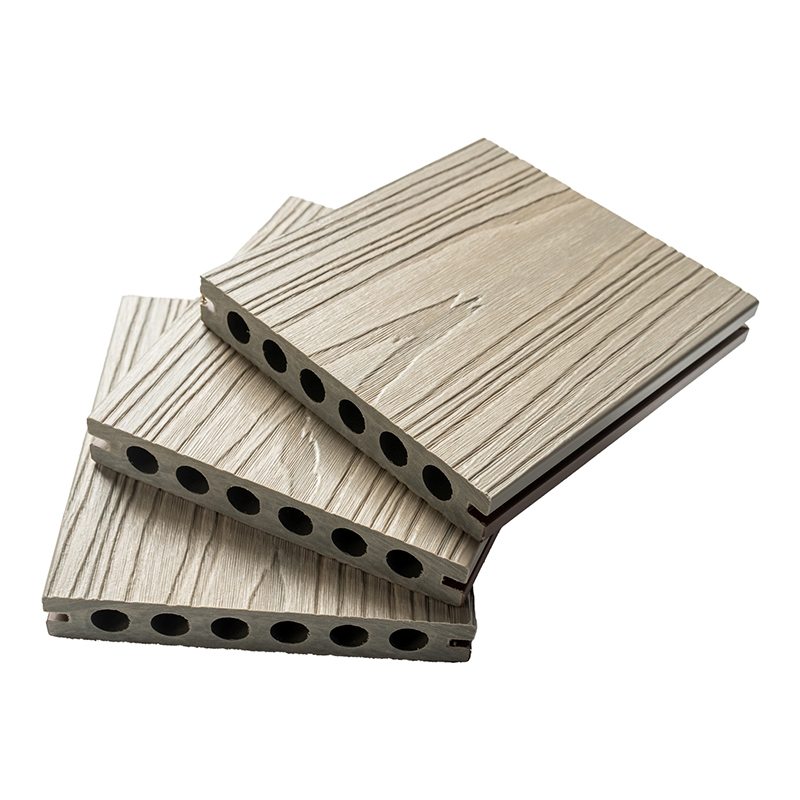
Buyers must score and shortlist products systematically before making a final investment. You cannot rely on aesthetics alone. Evaluating technical performance ensures long-term safety and durability.
First, carefully assess the physical continuity of the polymer cap. You need absolute full-wrap capping to combat ground-level garden moisture. The protective shield must wrap completely down into the side grooves. Partial caps leave the underside vulnerable to rising dampness. Fully capped boards naturally resist destructive mold because fungi cannot penetrate the plastic shell.
Next, evaluate the surface texturing for critical safety. Wet areas require specialized manufacturing techniques. We highly recommend boards featuring deep 3D wood grain embossing. Brushed finishes also perform exceptionally well under wet conditions. These intentional textures maintain essential foot traction. They serve as excellent pool deck flooring by minimizing dangerous slip and fall risks.
Finally, address long-term color stability. Direct sun exposure fades natural wood very quickly. Premium co-extruded shields contain highly specialized UV inhibitors. These chemical additives significantly slow down the natural fading process. Buyers should still expect a very slight, predictable color stabilization period. The boards usually reach their permanent hue within the first two to three months.
Check the groove: Inspect the board edge to verify the plastic shield covers the inner channel.
Test the grip: Request a physical sample, wet it, and test the tactile friction with your hand.
Review the warranty: Confirm the manufacturer specifically covers stain and fade resistance.
Verify absorption limits: Check the technical data sheet for water absorption rates below 1%.
Choosing the right structural profile depends entirely on your specific application and project budget. We divide these engineered solutions into two distinct categories: solid boards and hollow boards. Both utilize the same protective shield technology.
Solid boards behave much more like heavy traditional lumber. They feature dense, uninterrupted cores. They offer superior impact resistance against heavy dropped objects. We strongly recommend solid profiles for high-traffic commercial spaces or public stairways. However, their heavier weight demands much more robust sub-framing. They cost more to transport and require more effort to install.
Alternatively, many projects benefit from hollow WPC decking. These engineered boards weigh significantly less. They generally provide a much more cost-effective solution for standard residential projects. They feature structured internal channels running through the core. These open cavities naturally dissipate trapped heat much faster. This internal cooling effect proves highly beneficial in direct-sun garden areas. You just must follow stricter joist span limitations to prevent any structural sagging.
Feature | Solid WPC Boards | Hollow WPC Boards |
|---|---|---|
Weight | Heavy (similar to dense hardwood) | Lightweight (easier to handle) |
Impact Resistance | Exceptionally high | Moderate (sufficient for residential use) |
Heat Dissipation | Slower heat release | Faster cooling via internal air channels |
Sub-Frame Demand | Requires highly robust support | Requires strict joist spacing adherence |
Best Application | Commercial spaces, stairs, heavy load areas | Residential patios, pool surrounds, balconies |
Great building materials still fail if installers implement them poorly. You must mitigate specific structural risks to protect your warranty and maximize product lifespan. The installation environment dictates how the material behaves over decades.
Thermal expansion affects all engineered plastics. High-performance co-extrusion composite decking expands significantly when heated by the summer sun. You must engineer specific expansion gapping at all butt joints and board edges. If you push these boards tight together during installation, they will inevitably buckle on hot days.
Proper sub-frame construction remains absolutely critical. A highly water-resistant surface never fixes poor underlying ground drainage. You must provide adequate vertical ground clearance. Proper cross-ventilation prevents harmful ground moisture from trapping beneath the structure. Stagnant, humid air breeds aggressive rot on the wooden support joists below.
Finally, always upgrade your fastening systems. Avoid face-screwing fasteners directly through the top surface. Metal screws permanently puncture the protective polymer shield. This damage lets standing water seep directly into the vulnerable wood core. Instead, utilize recommended hidden fastener clips.
Establish drainage: Grade the soil beneath the deck area to guide standing water away from the structure.
Space the joists: Set joist spacing to a maximum of 16 inches on center for standard residential loads.
Apply joist tape: Protect vulnerable wooden sub-frames by applying waterproof butyl tape over the joist tops.
Install hidden clips: Slide hidden fastener clips into the side grooves to secure boards without piercing the top cap.
Calculate thermal gaps: Leave appropriate spacing at board ends based on local temperature swings.
Selecting the right materials for high-moisture outdoor environments requires a clear, objective evaluation framework. Always prioritize products featuring a 360-degree protective polymer capping system. Verify crucial slip-resistance ratings before specifying any surfaces near active pool areas. Finally, align your choice of solid or hollow architectural profiles directly with expected load capacities and budget constraints.
You should take concrete steps before making a final purchasing decision. Request physical material samples and test them for slip resistance by wetting the surface thoroughly. Review the manufacturer’s technical data sheets to confirm moisture absorption percentages fall below the 1% threshold. Always verify the specific warranty terms regarding long-term fading, stain resistance, and moisture damage.
A: Yes, composite materials retain more heat than natural timber because they contain dense plastics. Lighter colors absorb less solar radiation. Choosing hollow profiles can also help mitigate heat retention because the internal air channels allow the boards to cool faster.
A: While visually appealing, deep 3D embossing provides crucial micro-texture for physical slip resistance. This added friction remains especially critical for pool environments where standing water creates dangerous slip and fall hazards.
A: Yes, you can safely power wash the surface. However, you must keep the water pressure below a specific threshold (typically 1500 PSI). Always use a wide-angle fan tip to avoid creating micro-tears in the protective polymer shield.
A: The internal core remains fully protected unless the scratch penetrates completely through the plastic cap. You can often blend minor scuffs using specialized heat tools. However, you should strictly avoid dragging heavy metal furniture across the boards.


