
Views: 0 Author: Site Editor Publish Time: 2026-06-15 Origin: Site


Every landscape design project faces a familiar dilemma. We want the timeless beauty of a wooden boundary. However, we dread the relentless upkeep traditional timber demands. High-end backyard aesthetics often come at a punishing price in yearly maintenance. Wood cracks, paint peels, and moisture inevitably invites rot.
Property owners, landscapers, and commercial developers need a smarter, long-term solution. They require reliable materials to protect their boundaries without endless repairs. Wood Plastic Composite (WPC) materials offer the perfect alternative. They serve as the definitive choice for anyone seeking a durable outdoor composite fence.
This article provides an objective framework for evaluating modern WPC materials. You will learn how to compare installation methods and structure requirements. We will help you separate true structural performance from clever marketing hype. Ultimately, you will discover how to select the right manufacturing partner for a lasting landscape.
Material Reality: WPC eliminates rot and painting, but requires proper installation to account for thermal expansion and wind load.
Cost vs. Value: Upfront costs for a composite fence panel are higher than treated wood, but the 10-year lifecycle cost is significantly lower due to zero staining/sealing requirements.
Design Flexibility: Standard kits (e.g., 6x6 ft) streamline installation, while individual boards allow for custom horizontal or vertical modern landscape designs.
Supplier Vetting: Choosing a credible WPC fence supplier requires evaluating co-extrusion technology, warranty transparency (fading vs. structural), and kit completeness.
Choosing the right material dictates the future of your backyard. Traditional wood offers classic appeal. Unfortunately, it demands constant labor. We must objectively analyze how composite materials perform over time. A high-quality garden privacy fence should solve problems, not create new chores.
WPC consists of an ingenious blend. Manufacturers combine recycled wood fibers and high-density polyethylene (HDPE) plastics. This specific material composition transforms vulnerabilities into strengths. Wood fibers provide natural texture and structural stiffness. The HDPE plastic encapsulates these fibers. This plastic shield repels moisture completely. Termites and carpenter ants ignore plastic components. Therefore, your landscape barriers remain impervious to ground moisture and common insect damage. You get the organic look of timber alongside the extreme durability of polymer.
Buyers often fixate on the initial purchase price. WPC carries a noticeable upfront premium compared to treated pine or cedar. However, smart property owners look at cumulative expenses. Traditional wood generates a hefty 10-to-15-year lifecycle cost. You must factor in expensive labor, premium stains, and waterproof sealants. Wood boards inevitably warp or split. You must buy replacement boards. WPC avoids all these recurring expenses. The higher initial investment usually breaks even around year four or five. After this point, the composite system saves money every single season.
10-Year Cumulative Expense Comparison | ||
Cost Factor | Traditional Timber | WPC Materials |
|---|---|---|
Initial Material Cost | Low to Moderate | High |
Staining/Sealing (Every 2 Years) | High (Labor + Materials) | None ($0) |
Board Replacement Rate | Moderate (Rot/Warping) | Virtually Zero |
Total 10-Year Outlay | Significantly Higher | Significantly Lower |
Many marketing brochures claim composite materials require "zero maintenance." We must debunk this myth. Outdoor environments expose surfaces to dust, bird droppings, and pollen. Mildew can grow on surface dirt if left unchecked. True "low maintenance" means no sanding, no staining, and no painting. It does not mean you can ignore the structure entirely. You still need to clean it. A semi-annual soft wash easily removes surface debris. Warm water, mild soap, and a soft-bristle brush keep the panels looking pristine.
Sunlight destroys unprotected materials. First-generation composites struggled against harsh UV rays. They often faded significantly during their first summer. Modern manufacturing solved this issue through co-extrusion. Co-extruded (capped) panels feature an advanced polymer shield. This engineered outer layer locks in the color pigments. It acts like sunscreen for your boundaries. Some minimal color shifting occurs during the first few weeks as the material settles. After this initial period, capped composites maintain remarkable aesthetic stability for decades.
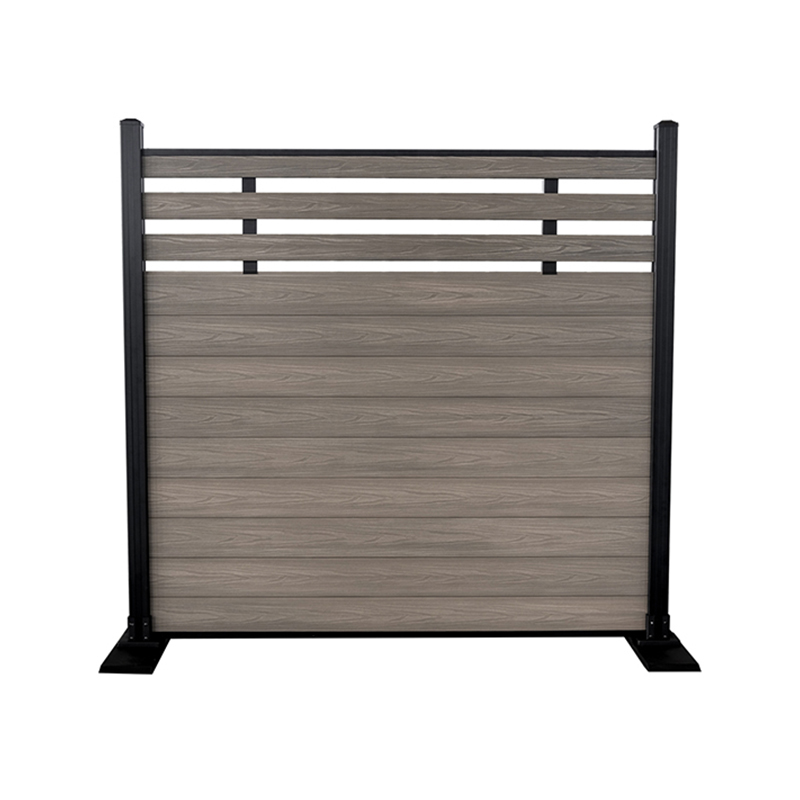
Understanding the anatomy of your boundary system prevents costly mistakes. You are not just buying plastic planks. You are investing in a highly engineered structural system. Every component plays a critical role in resisting gravity and weather.
A secure composite fence panel relies on multiple integrated parts. Missing or substituting any piece compromises the entire build. A standard system typically includes:
Aluminum Posts: These provide rigid vertical support. They resist rust and handle heavy loads far better than standard timber posts.
U-Channels: These vertical tracks attach to the posts. They guide the boards into place and conceal the expansion gaps.
Top and Bottom Rails: Heavy-duty aluminum rails frame the structure. The bottom rail supports the entire weight of the stacked boards.
Interlocking Boards: A standard WPC fencing board uses a tongue-and-groove design. This locks the planks together, ensuring zero gaps for absolute privacy.
Manufacturers package these materials in two distinct ways. Your property layout determines the best approach.
Standard Kits: Pre-packaged modular kits usually come in 6x6 ft dimensions. They offer incredible convenience. Kits work best for straightforward property lines and level ground. They minimize material waste. They also standardize the installation workflow. Everything you need arrives in one box.
Loose Boards: Sometimes standard dimensions fail to meet specific architectural requirements. Loose boards provide total design flexibility. You need loose planks for sloping terrain. They also allow contractors to integrate custom retaining wall designs. If you want a unique horizontal or vertical pattern, loose components give you ultimate control.
Composite materials possess significant weight. They also become slightly pliable under extreme heat. Structural integrity demands metal reinforcement. High-quality systems use aluminum inserts inside the load-bearing channels. This metal core prevents the composite material from sagging over time. High winds place massive pressure on solid boundary structures. Aluminum reinforcements ensure the panels stand rigid against severe weather events. Never trust a system relying solely on unsupported composite posts.
Even premium materials fail if installed incorrectly. Landscape construction requires precision. Composite products behave differently than natural timber. You must understand these physical realities before digging the first post hole.
Plastic expands when hot. It contracts when cold. This physical reality dictates every step of the installation process. You cannot jam boards tightly against the posts. Exact gap allowances inside the U-channels are absolutely critical. These concealed gaps give the material room to breathe. If a contractor ignores expansion tolerances, the boards will buckle. Seasonal temperature shifts will warp restricted panels beyond repair. Proper spacing prevents these catastrophic failures.
Wind load destroys weak foundations. An outdoor boundary acts exactly like a solid ship sail. It catches the wind. Furthermore, WPC materials weigh significantly more than dried pine. This combined weight and wind resistance requires serious anchoring. Post-hole depth must exceed the local frost line. You must use substantial concrete footings. Skimping on concrete guarantees a leaning structure within a few years. Strict adherence to depth requirements ensures your investment remains vertical.
Manufacturers often market kit systems as "DIY-friendly." We must provide a transparent assessment of this claim. Assembling the panels is relatively easy. However, preparing the groundwork presents massive challenges.
Installation Approaches Compared | ||
Factor | DIY Installation | Professional Landscape Contractor |
|---|---|---|
Tools Required | Post-hole diggers, lasers, heavy saws. | Fully equipped with commercial tools. |
Physical Labor | Extreme (digging, mixing concrete, heavy lifting). | Handled by experienced crews. |
Precision & Leveling | High risk of misaligned posts. | Guaranteed exact tolerances. |
Best Use Case | Short runs, flat ground, experienced builders. | Slopes, large properties, complex designs. |
Precision leveling requires advanced tools. Digging dozens of deep holes demands serious physical endurance. If posts are slightly misaligned, the rigid aluminum rails will not fit. Therefore, precision leveling and heavy lifting often necessitate professional landscape contractors. Hiring an expert minimizes implementation risks.
The global market floods buyers with countless product options. Many brands look identical in online photos. However, actual performance varies wildly. Choosing a credible WPC fence supplier requires strict vetting. You must look past the marketing gloss.
Technology determines longevity. Always verify the manufacturing process. Ask the supplier if they use co-extrusion (capped) technology. Uncapped composites belong in the past. They absorb stains and fade quickly. A reliable partner exclusively utilizes capped extrusion for outdoor boundary products. This protective shell acts as the primary defense against environmental degradation.
Quality materials undergo rigorous independent testing. Do not rely on verbal promises. Demand proof of performance. Look for the following standard certifications:
ISO Certification: Guarantees consistent factory quality control.
FSC Certification: Ensures the wood fibers come from responsibly managed forests.
Wind-Load Testing Data: Proves the exact wind speeds the assembled panels can survive.
Fire Retardant Ratings: Critical if your local building codes require specific fire safety standards.
Read the fine print carefully. Shady companies offer generic "lifetime warranties" filled with loopholes. A trustworthy supplier provides distinct, transparent guarantees. They separate the structural warranty from the aesthetic warranty. Structural warranties typically cover 15 to 25 years against rot and splintering. Fade and stain warranties should explicitly state the allowable percentage of color shift. Honest documentation proves the manufacturer understands their own product's physical limits.
A great product needs strong backing. Evaluate the supplier's overall support infrastructure. Can they provide exact matching replacement parts in five years? Do they offer comprehensive, step-by-step installation guides? You also need dedicated hardware. A premium supplier includes color-matched screws and specific engineered brackets. If a vendor simply sells boards without an integrated hardware ecosystem, look elsewhere. Comprehensive support guarantees a smoother installation.
Securing your property borders requires careful planning. We must align beautiful landscape design goals with realistic maintenance budgets. WPC materials eliminate the endless cycle of sanding and painting. They provide a sophisticated, modern aesthetic that lasts for decades.
Remember a crucial rule. The success of your boundary relies 50% on material quality and 50% on strict adherence to installation tolerances. Even the finest co-extruded boards will fail if contractors ignore thermal expansion gaps or skimp on concrete footings.
Take proactive steps before finalizing your design. Always request physical samples to assess texture and color in your actual backyard lighting. Review the complete kit specifications to ensure aluminum reinforcements are included. Finally, verify all warranty documentation. Thorough research guarantees your outdoor investment stands tall against time and weather.
A: A premium WPC panel typically costs 30% to 50% more upfront than high-grade cedar. However, this premium vanishes over time. Traditional wood requires expensive staining and sealing every two years. By year five, the cumulative maintenance costs of cedar usually exceed the initial WPC investment. The composite option delivers a vastly superior long-term ROI.
A: Yes, provided it is properly engineered. Success in high wind zones requires specific structural reinforcements. The system must utilize thick-walled aluminum posts and aluminum-reinforced horizontal rails. Additionally, contractors must bury posts below the frost line in heavy concrete footings. Never exceed the manufacturer's recommended post spacing in windy areas.
A: Uncapped (first-generation) boards fade noticeably over time. Modern co-extruded (capped) boards behave differently. They feature a UV-resistant polymer shield. You might see a very slight, natural color shift during the first 12 weeks of sun exposure. After this initial weathering period, the capped color remains permanently locked in.
A: Yes, you have two primary methods for sloping terrain. The "stair-step" method keeps panels perfectly level, stepping them down the hill sequentially. This leaves triangular gaps at the bottom. Alternatively, you can use custom loose boards to build "raked" panels. Raked panels follow the exact angle of the ground, eliminating bottom gaps entirely.


