
Views: 0 Author: Site Editor Publish Time: 2026-02-19 Origin: Site


Are you tired of constant maintenance on your wooden fence? WPC fencing offers a durable and eco-friendly solution. Made from a blend of wood and plastic, it combines the beauty of wood with the resilience of modern materials.
In this article, we’ll explore the various benefits of WPC fencing, including its long lifespan of 15-20 years and minimal upkeep. Understanding the costs involved is crucial for making an informed decision.
Join us as we break down the pricing of WPC fencing and help you choose the best option for your needs.
When considering WPC fencing, several factors can significantly affect the overall cost. Here’s a closer look at what influences pricing, from material quality to installation expenses.
The quality of materials and the brand you choose play a crucial role in determining costs. Here are some key points to consider:
● Brand Reputation: Brands like Everok are known for their high-quality WPC products. Their reputation can justify higher prices due to perceived value.
● Premium vs. Budget Options: Premium brands often use superior materials and advanced manufacturing processes, leading to better durability and aesthetics. Budget options may save you money initially but could lead to higher maintenance costs later.
● Impact on Pricing: The price difference between premium and budget-friendly WPC options can be significant. For instance, premium products may cost $2.50 per foot, while budget options may start around $1.95.
Brand | Price per Linear Foot | Key Features |
Everok | $2.50 | Eco-friendly, durable, customizable |
Budget Brand | $1.95 | Basic features, lower durability |
The type and height of your WPC fencing can also influence costs. Different styles serve various purposes, which affects their pricing:
● Types of Fencing: Privacy fences, picket fences, and decorative fences all come with different price tags. Privacy fences often require more material and thus cost more.
● Height Variations: The height of the fence matters. For example, a 3-4 feet fence might cost less than a 6-8 feet option. Higher fences provide better security and privacy but will increase your budget.
Example WPC Models from Everok:
● Garden Privacy Fence: Ideal for residential use, typically priced higher due to its height and material density.
● Farm Boundary Fencing: Designed for durability in outdoor conditions, often priced competitively to meet agricultural needs.
Labor costs can add up quickly when installing WPC fencing. Here’s what to keep in mind:
● Professional Installation: Hiring experts can cost between $10 to $30 per linear foot. This varies based on your location and the complexity of the installation.
● DIY Installation: If you’re handy, doing it yourself can save money. You’ll need basic tools like a saw, level, and drill. However, ensure you have the time and skills to avoid costly mistakes.
Before installation, preparing your site is essential, and it comes with its own costs:
● Removing Old Fences: If you have an existing fence, removing it can cost between $5 to $8 per linear foot.
● Clearing Vegetation: You may need to clear bushes or trees, which can increase preparation costs, especially in uneven terrain.
Preparation Task | Estimated Cost per Linear Foot |
Old Fence Removal | $5 - $8 |
Vegetation Clearing | Varies based on density |
Finally, consider any extra features you may want:
● Gates and Decorative Elements: Adding gates or decorative tops can enhance the fence's appearance but also increase costs. Gates can range from $200 to $600 depending on style and materials.
● Customization Options: Brands like Everok offer personalized design choices, which can significantly affect the final price. Custom colors or textures usually come at a premium.
By understanding these factors, you can make informed decisions about your WPC fencing project. It’s not just about the upfront costs; consider the long-term investment and benefits of choosing the right materials and installation options.
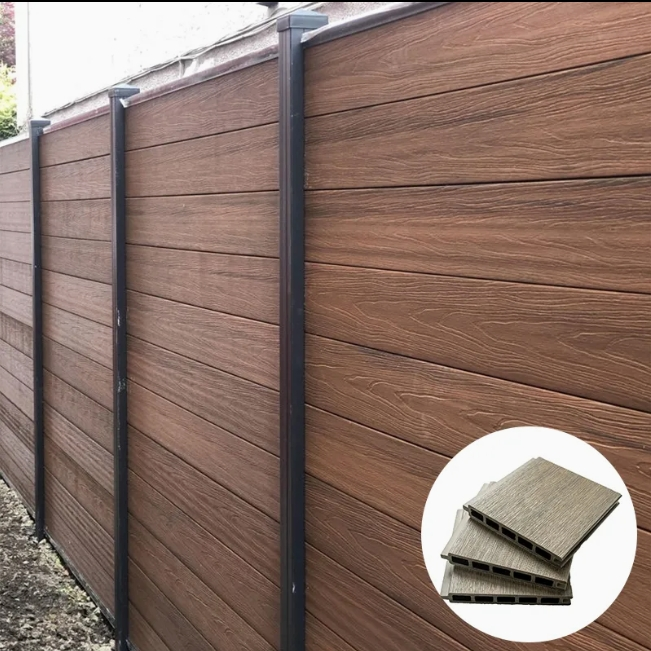
Understanding the costs associated with WPC fencing is essential for planning your project effectively. Here, we’ll break down the average costs per linear foot and provide a comprehensive overview of total project expenses.
When it comes to WPC fencing, the cost per linear foot can vary significantly based on several factors. Here’s what you need to know:
● Material Costs: The official price range for Everok WPC fencing is approximately $1.95 to $2.50 per meter. This translates to about $6.50 to $8.20 per linear foot.
● Installation Costs: Professional installation typically adds another $10 to $30 per linear foot, depending on the complexity of the job and local labor rates.
● Type of Fencing: Different styles of WPC fencing also impact pricing. For example:
○ Privacy Fences: Generally more expensive due to the amount of material required.
○ Picket Fences: Often less costly but may require additional decorative elements.
Type of WPC Fencing | Material Cost per Linear Foot | Installation Cost per Linear Foot |
Privacy | $6.50 - $8.20 | $10 - $30 |
Picket | $6.50 - $8.20 | $10 - $30 |
Decorative | $7.00 - $9.00 | $12 - $35 |
Estimating the total cost for your WPC fencing project involves several considerations. Here’s how to calculate it:
● Average Backyard Size: For a typical backyard, let’s say you need 150 feet of fencing.
○ Material Costs: At an average of $7.00 per foot, materials alone would cost about $1,050.
○ Installation Costs: If hiring professionals at $20 per foot, installation would add another $3,000.
○ Total Estimated Cost: The total for this project would be approximately $4,050.
● Larger Projects: For a larger area, such as 300 feet:
○ Material Costs: Using the same average, materials would cost about $2,100.
○ Installation Costs: Professional installation might reach $6,000.
○ Total Estimated Cost: This brings the total to around $8,100.
Minimum Order Quantity (MOQ): Keep in mind that Everok products generally have a minimum order quantity of 1 meter FOB, which can affect your overall budgeting for smaller projects.
Here’s a quick example to illustrate the costs for different project sizes:
Project Size (Feet) | Material Cost | Installation Cost | Total Cost |
150 | $1,050 | $3,000 | $4,050 |
300 | $2,100 | $6,000 | $8,100 |
By breaking down these costs, you can better plan your budget and make informed decisions about your WPC fencing project. Understanding these details helps in selecting the right materials and installation options to fit your needs.
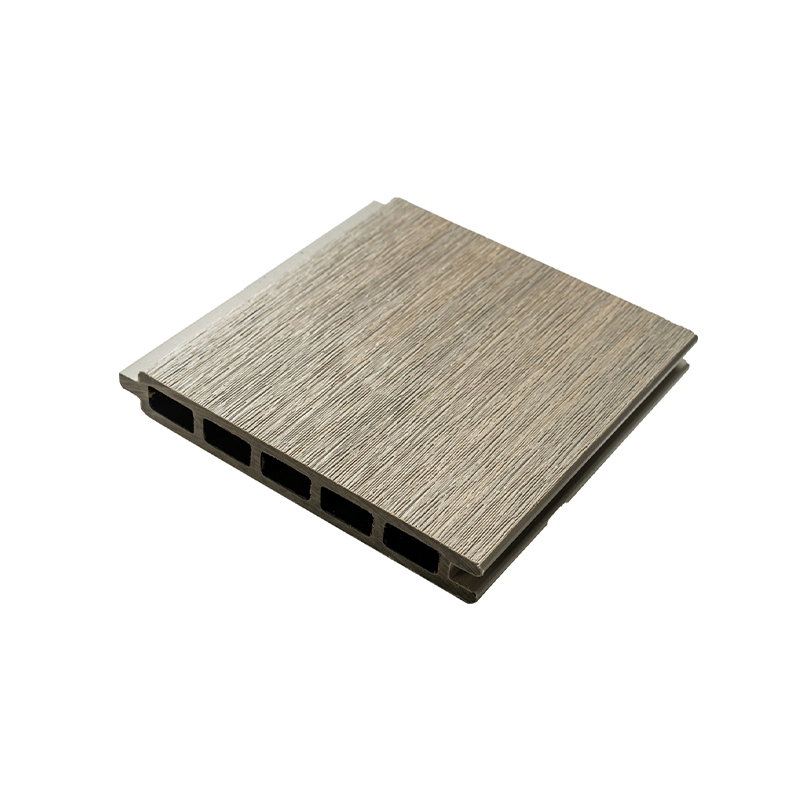
When considering WPC fencing, it’s essential to look beyond the initial investment. The long-term cost benefits can make it a smart choice for homeowners and businesses alike. Here’s a closer look at how WPC fencing saves you money over time.
One of the most significant advantages of WPC fencing is its low maintenance requirements. Here’s what you need to know:
● No Regular Treatments: Unlike traditional wood fencing, WPC fencing doesn’t require regular painting, sealing, or insect repellent treatments. This means you can save both time and money.
● Minimal Upkeep: A simple wash with soap and water is often all that’s needed to keep it looking new. This ease of maintenance can significantly reduce your annual upkeep costs.
● Cost Comparison: Over a decade, traditional wood fencing can incur maintenance costs of $500 to $1,500. In contrast, WPC fencing may only cost a few hundred dollars for occasional cleaning.
Maintenance Task | Traditional Wood Fencing | WPC Fencing |
Annual Painting | $300 | $0 |
Sealing (every 2-3 years) | $200 | $0 |
Insect Treatment (annual) | $100 | $0 |
Total Maintenance Cost (10 years) | $1,500 | $300 |
WPC fencing is designed to withstand the elements, making it a durable choice for any setting. Here’s how its durability translates into long-term savings:
● Lifespan: WPC fencing typically lasts 15 to 20 years, significantly longer than traditional wood, which may last only 5 to 10 years without heavy maintenance.
● Resistance to Common Issues: It resists rot, warping, and insect damage, which are common problems with wood fencing. This means fewer repairs and replacements over time.
● Quality Commitment: Brands like Everok focus on high-quality materials, ensuring their WPC products withstand harsh weather conditions. Their commitment to durability means you won’t have to worry about frequent replacements.
Cost Savings Over Time:
● If you replace wood fencing every 10 years, you’ll incur costs for both materials and labor. In contrast, WPC fencing requires far less frequent replacement.
Type of Fencing | Lifespan | Replacement Cost (every 10 years) | Total Cost Over 20 Years |
Traditional Wood | 5-10 years | $3,000 | $6,000 |
WPC Fencing | 15-20 years | $1,500 | $1,500 |
By investing in WPC fencing, you not only enjoy immediate benefits but also secure long-term savings. The combination of low maintenance and high durability makes it a financially sound choice for any property owner. Whether you’re looking to enhance your home’s curb appeal or secure your business premises, WPC fencing delivers value that lasts.
A: WPC fencing typically lasts between 15 to 20 years, significantly longer than traditional wood fencing.
A: WPC fencing is generally more affordable than vinyl but may have a higher upfront cost than wood, balancing out with lower maintenance expenses.
A: Yes, Everok offers warranties on their WPC fencing products, providing assurance of quality and durability.
A: Yes, you can install WPC fencing yourself. Basic tools include a saw, level, drill, and measuring tape.
A: WPC fencing is eco-friendly, made from recycled materials, and reduces the need for chemical treatments, benefiting the environment.
In this article, we explored the costs associated with WPC fencing. Key points included material prices, installation costs, and long-term savings. WPC fencing offers durability and low maintenance compared to traditional wood.
Investing in WPC fencing is valuable for its lifespan and minimal upkeep. Remember to consider both initial costs and potential savings over time when making your decision.


