
Views: 0 Author: Site Editor Publish Time: 2026-02-23 Origin: Site


Are you tired of constant maintenance with traditional wood fences? Discover the benefits of WPC fencing, a durable and eco-friendly alternative.
This guide will walk you through the step-by-step installation process, making it easy for beginners to achieve a stunning fence.
In this post, you’ll learn about the advantages of WPC fencing and how to install it yourself with confidence.
WPC fencing, or Wood Plastic Composite fencing, combines wood fibers and plastic to create a durable, eco-friendly material. This innovative approach offers a solution that meets the demands of homeowners and businesses alike.
When comparing WPC fencing to traditional wood, several key differences emerge:
● Durability: WPC is resistant to rot, mold, and insects, making it last longer than wood.
● Maintenance: Unlike wood, which requires regular painting and sealing, WPC needs minimal upkeep.
● Weather Resistance: WPC withstands harsh weather conditions better than wood, which can warp or crack.
Here’s a quick look at how they stack up:
Feature | WPC Fencing | Traditional Wood Fencing |
Lifespan | 15-20 years | 5-15 years |
Maintenance Frequency | Low | High |
Resistance to Pests | High | Low |
Environmental Impact | Recyclable | Deforestation risk |
WPC materials offer several advantages:
● Durability and Longevity: WPC fences resist wear and tear, ensuring they look good for years. They can last up to 20 years or more, making them a smart investment.
● Low Maintenance Requirements: Forget about regular staining or sealing. A simple wash with soap and water keeps your WPC fence looking fresh.
● Environmental Benefits: Made from recycled materials, WPC helps reduce waste and promotes sustainability. It’s a great choice for eco-conscious consumers.
● Aesthetic Appeal: WPC fencing is available in various colors and styles, allowing you to match it with your home’s design. It mimics the look of wood but without the drawbacks.
Choosing WPC fencing offers numerous benefits.
● Durability and Longevity: WPC fences resist rot, mold, and pests, ensuring they maintain their appearance over time. This durability translates to a longer lifespan compared to traditional wood fences.
● Low Maintenance Requirements: Say goodbye to the hassle of frequent painting, staining, or sealing. WPC fences require minimal upkeep, making them a practical choice for busy homeowners.
● Environmental Benefits: Made from recycled materials, WPC is an eco-friendly option. It reduces the need for new timber, helping to preserve forests and promote sustainability.
● Aesthetic Appeal and Design Versatility: WPC fencing comes in various colors and styles, allowing homeowners to customize their outdoor spaces. It can easily replicate the look of natural wood while providing superior performance.
In summary, WPC fencing stands out as a modern, efficient alternative to traditional wood fencing. Its combination of durability, low maintenance, and environmental benefits makes it a popular choice for those seeking both functionality and style. With brands like EVEROK leading the way in quality WPC materials, you can trust that your investment will pay off in the long run.
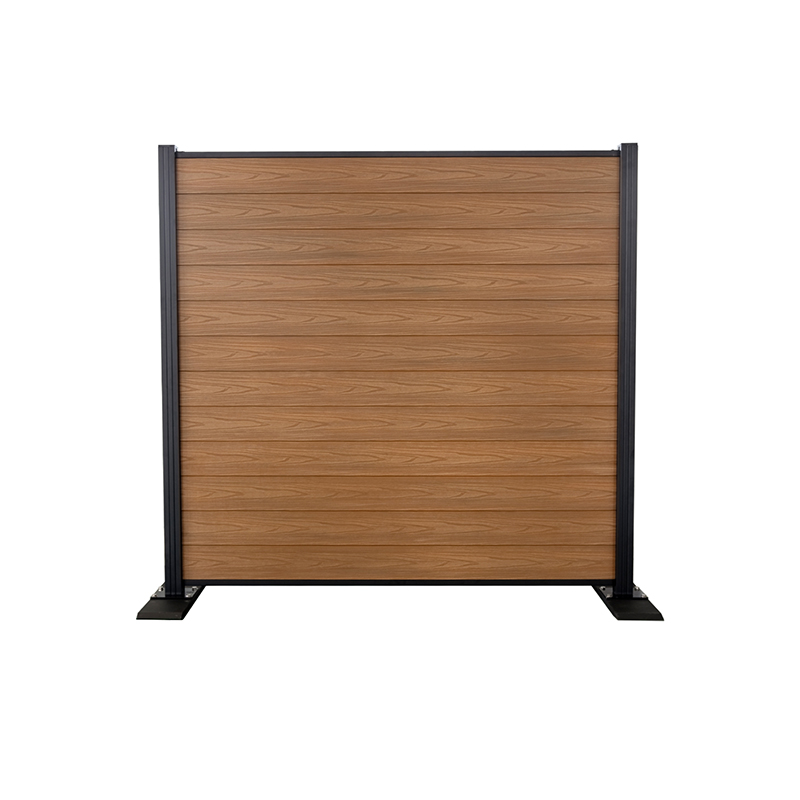
Before starting your WPC fence installation, gathering the right tools and materials is crucial. Having everything on hand will streamline the process and reduce delays. Here’s what you’ll need:
● Measuring Tape: Accurate measurements are key to a successful installation.
● Power Drill: This will help secure the panels and posts efficiently.
● Rubber Mallet: Useful for adjusting the fit of the panels without causing damage.
● Level: Ensures your posts are perfectly vertical for a professional look.
For a successful installation, here’s a list of materials you should have ready:
Material | Description |
EVEROK WPC Panels | Durable, eco-friendly panels available in various colors. |
Posts | WPC or treated wood posts to support the panels. |
Screws | Stainless steel screws for outdoor use. |
Concrete Mix | To secure the posts in place. |
While the essentials will get you started, consider these optional items for customization:
● Post Caps: Enhance the aesthetics and provide added protection.
● Fence Stain or Sealant: While WPC requires minimal maintenance, a sealant can enhance color and longevity.
● Additional Fasteners: Depending on your design, you may need extra clips or brackets.
Now that you have your tools and materials, it’s time to plan your fence layout. Proper planning will save you time and effort during installation.
Start by measuring your yard to determine the fence line. Use the measuring tape to outline where you want the fence to go.
● Consider the purpose of the fence, whether for privacy, security, or decoration.
● Identify any obstacles like trees, shrubs, or slopes that may impact the installation.
Once you have your measurements, mark the locations for your posts. Proper spacing is essential for stability and appearance.
● A common recommendation is to space posts 6 to 8 feet apart.
● Use stakes or spray paint to mark each post location clearly.
Before you dig, it’s important to check local regulations regarding fencing. Different areas may have specific rules about height, materials, and placement.
● Contact your local zoning office to ensure compliance.
● Obtain any necessary permits to avoid fines or removal orders later.
By taking the time to prepare and plan, you set the stage for a smooth WPC fence installation. This groundwork ensures that your project not only meets your expectations but also adheres to local guidelines. With quality materials like EVEROK and a solid plan, you’re well on your way to a successful installation.
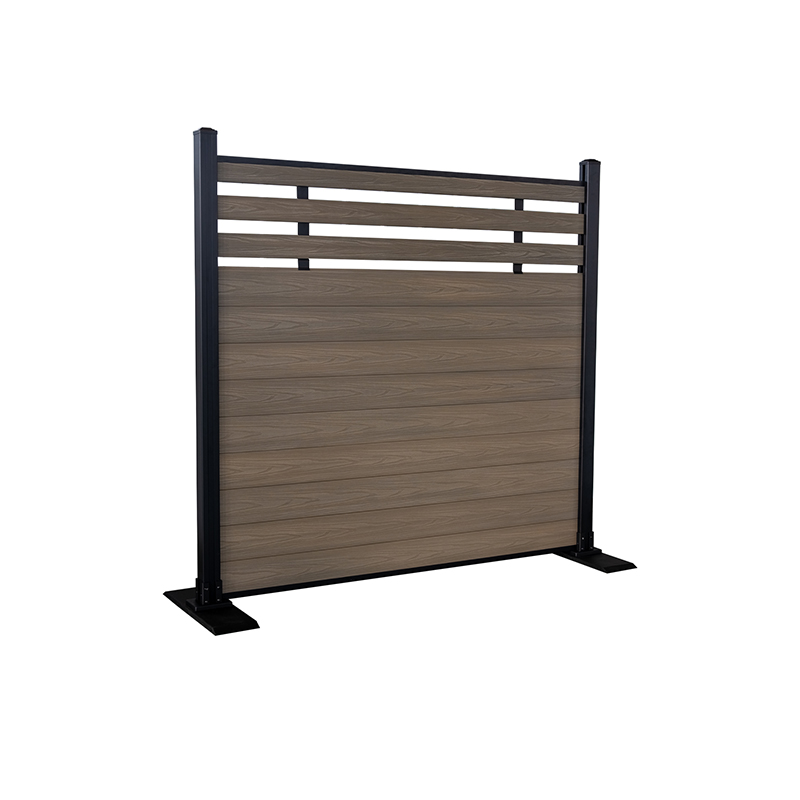
The first step in installing your WPC fence is digging the post holes. This foundational work is crucial for ensuring your fence's stability and longevity.
● Recommended Depth and Width: Each hole should be approximately 2-3 feet deep and 10-12 inches wide. This depth is especially important in areas prone to frost, as it helps prevent shifting during freeze-thaw cycles. A wider hole allows for better anchoring of the posts.
● Importance of a Drainage Layer: Adding a layer of gravel at the bottom of each hole is essential. This drainage layer prevents moisture accumulation around the posts, which can lead to rot and deterioration over time. A good rule of thumb is to use 2-3 inches of gravel to promote proper drainage.
Once your holes are ready, it’s time to set the posts securely.
● Aligning and Securing Posts: Place each post in the hole, ensuring it is centered and straight. Use a level to check for vertical alignment. Secure the posts using concrete or metal anchors. If using concrete, mix it according to the manufacturer’s instructions, typically a 3:1 ratio of gravel to concrete mix.
● Ensuring Posts are Level and Plumb: It's crucial to ensure that each post is perfectly vertical. Adjust as necessary before the concrete sets. This step is vital because misaligned posts can lead to an uneven fence line.
● Curing Time for Concrete: Allow 24-48 hours for the concrete to cure completely. During this time, avoid disturbing the posts to ensure they set firmly in place. Proper curing is critical for a sturdy fence.
Before you start installing the panels, ensure they are ready for use.
● Checking Product Surfaces and Dimensions: Inspect each WPC panel for any defects, such as cracks or warping. Measure the panels to confirm they match your fence layout. This step helps avoid issues during installation.
● Options for Customizing Panel Sizes: If necessary, panels can be cut to fit specific dimensions. Use a saw designed for composite materials to achieve a clean cut. This flexibility allows you to adapt the fence design to your yard’s unique shape, ensuring a perfect fit.
Now, it’s time to install the panels, bringing your fence vision to life.
● Inserting Panels into Post Grooves: Slide each panel into the grooves of the posts. Ensure they fit snugly without forcing them. If the fit is too tight, you may need to trim the panel slightly for a smooth installation.
● Securing Panels with Stainless Steel Screws: Use stainless steel screws specifically designed for outdoor use to secure the panels. This prevents rust and ensures durability over time. A good practice is to use two screws per panel at each post connection for added strength.
● Tips for Ensuring Tight Connections: When tightening screws, be careful not to overtighten. Over-tightening can damage the panels or strip the screw holes. A snug fit is ideal for stability and a professional appearance.
With the panels in place, it’s time to add some finishing touches that enhance both functionality and aesthetics.
Top rails are essential for both structural integrity and visual appeal.
● Importance of Top Rails: These rails help hold the panels in place, providing a finished look to your fence. They also add strength to the overall fence structure, ensuring it withstands wind and other elements.
● Installation Tips: Align the top rails with the tops of the posts and secure them with screws. Make sure they are level across the entire fence line.
Post caps are a small detail that can make a big difference.
● Benefits of Post Caps: These caps protect the posts from rainwater and UV damage, extending their lifespan. They also offer a decorative element that enhances the overall look of your fence. Choose caps that complement your WPC panels for a cohesive design.
Before you consider the job complete, perform a thorough final check.
● Ensuring All Components are Straight and Level: Walk along the fence line to ensure everything looks straight. Use a level to check that all panels and posts are aligned properly. If you notice any misalignment, make adjustments as needed.
● Cleaning Up the Installation Site: Remove any debris, excess materials, or tools from the area. A tidy site not only looks good but also ensures safety during and after installation. Consider adding landscaping elements like plants or decorative stones around the fence for added appeal.
By following these detailed steps, you’ll have a sturdy and attractive WPC fence that enhances your property. Brands like EVEROK provide high-quality materials, ensuring your fence stands the test of time. Enjoy your new outdoor space, knowing you’ve created a functional yet beautiful addition to your home!
WPC fencing offers durability, low maintenance, and eco-friendliness. It’s an excellent choice for any homeowner.
With this guide, you can confidently tackle the DIY installation project. Don’t hesitate to customize your fence to fit your style.
Feel free to share your experiences or ask questions in the comments below. Your feedback is valuable!


