
Views: 0 Author: Site Editor Publish Time: 2025-10-23 Origin: Site


You want a fence that fits what you need. WPC fencing is good if you want less work and care about the environment. Pick wood if you like a classic style. Pick metal if you want strong safety. WPC fencing can last up to 25 years with little work. Wood needs to be stained often and lasts 10 to 15 years. Metal fencing is the most popular for safety around the world. When you look at the good and bad points, think about how long it lasts, how much work it needs, the price, the look, the effect on nature, and how easy it is to put up.
WPC fencing is good for the environment. It does not need much care. It can last 20 to 30 years. You do not need to paint or stain it.
Wood fencing looks classic and nice. It needs care often. You must stain it every 2 to 3 years. It usually lasts 10 to 15 years.
Metal fencing is very strong and safe. It can last 25 to 30 years. It can rust over time. You need to take care of it to stop rust.
When you pick a fence, think about how long it lasts. Think about how much work it needs. Think about the price, how it looks, and if it is good for nature. This helps you choose the best fence for you.
WPC fencing looks like wood but is as tough as plastic. Many people like it because it lasts long and needs little care.
WPC fencing means wood plastic composite fencing. It is made from recycled wood fibers and plastic polymers. This mix makes the fence look like wood but gives it plastic strength. WPC fencing is not the same as wood or vinyl fences. It is a new choice for homes, parks, and businesses. Everok makes WPC fence products that are eco-friendly and last a long time. These fences help protect the environment.
Here is a quick comparison of WPC fencing and traditional fencing materials:
Component | WPC Fencing | Traditional Fencing (Wood/Vinyl) |
|---|---|---|
Material Type | Wood-Plastic Composite | Wood / Vinyl |
Composition | Recycled wood fibers, plastic polymers | Natural wood / PVC |
Durability | Superior, won’t rot or warp | Prone to rotting and warping |
Maintenance | Low, no sealing or staining needed | High, requires regular care |
Lifespan | 20–25+ years | Varies, often shorter |
Environmental Impact | Eco-friendly, recycled materials | Higher impact, nonrenewable |
There are many good things about picking a WPC fence. Here are some main pros:
WPC fencing is very strong and does not rot or splinter. It can handle rain, sun, and wind.
You do not need to paint, seal, or stain it. You can clean it with water and a soft brush.
A good WPC fence can last 20 to 30 years, even in bad weather.
WPC fencing uses recycled materials. This helps cut down on waste and saves trees.
You can choose from many colors, textures, and styles. WPC fencing can look like wood or have a modern style.
Everok lets you pick custom sizes, colors, and finishes for your project.
Tip: WPC fencing gives you a strong and nice-looking fence. It is easy to take care of and is good for the earth.
Every fence type has some bad points to think about. WPC fencing can cost more at first than some wood or vinyl fences. It may not be as easy to shape as metal fences for special designs. Very hot or cold weather can sometimes change the material over time. If you need to fix it, you often have to replace a whole panel, not just a small part.
Note: Even with these cons, many people think WPC fencing is worth it. The low work and long life make up for the higher starting price.
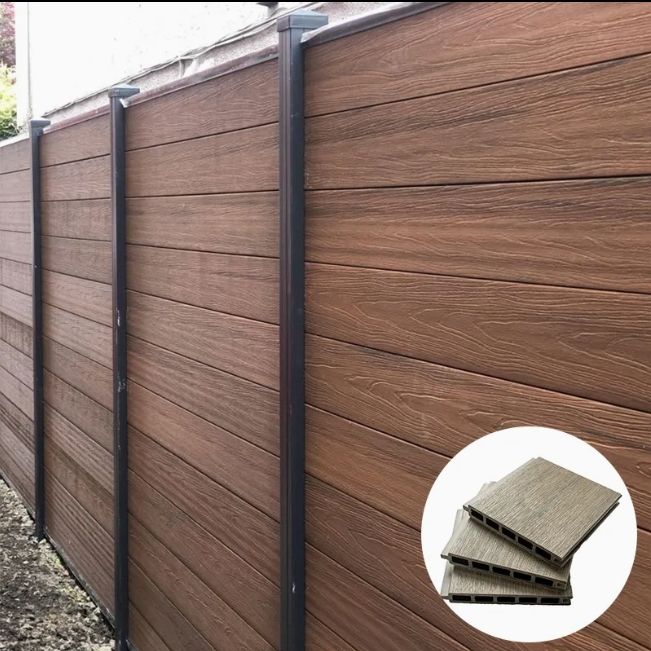
Wood fencing is a classic choice for many homes and properties. You build it from natural wood boards or panels. This type of fence gives your yard a warm and traditional look. Many people like wood fencing because it blends well with gardens and landscapes. You can paint or stain it to match your style. Different types of wood offer different levels of strength and resistance to weather.
Here is a table showing some popular wood species used for wood fencing and how long they last:
Wood Species | Durability Rating | Resistance to Pests & Rot | Ideal Climate |
|---|---|---|---|
Cedar | 16-18 years | Naturally resistant | Dry or mild climates |
Cypress | 7-10 years | Resistant to moisture | Humid and wet climates |
Douglas Fir | 20-30 years+ | Naturally resistant | Wet and dry climates |
Pine | 5-10 years | Needs treatment | Cold to mild climates |
Redwood | 20-30 years+ | Naturally resistant | Mild to dry climates |
You get several benefits when you choose wood fencing. It offers a natural and timeless appearance. You can easily customize the height, shape, and color. Wood fencing works well for privacy and can block noise. Many people find it easy to repair small sections. You can also use eco-friendly stains or paints to protect the wood. If you want a fence that feels warm and inviting, wood fencing is a strong option.
You should know the cons before you pick wood fencing. This type of fence needs regular care. You must stain or seal it every 2 to 3 years. Over 10 years, you might spend $3,000 to $7,000 on maintenance. Wood fencing can rot or get damaged by pests like termites. Rain and snow can cause decay and fungal growth. Poor installation or drainage can make posts rot faster. These cons mean you will spend more time and money to keep your wood fencing looking good.
Tip: If you want a fence that lasts longer with less work, you may want to compare wood fencing with other options.
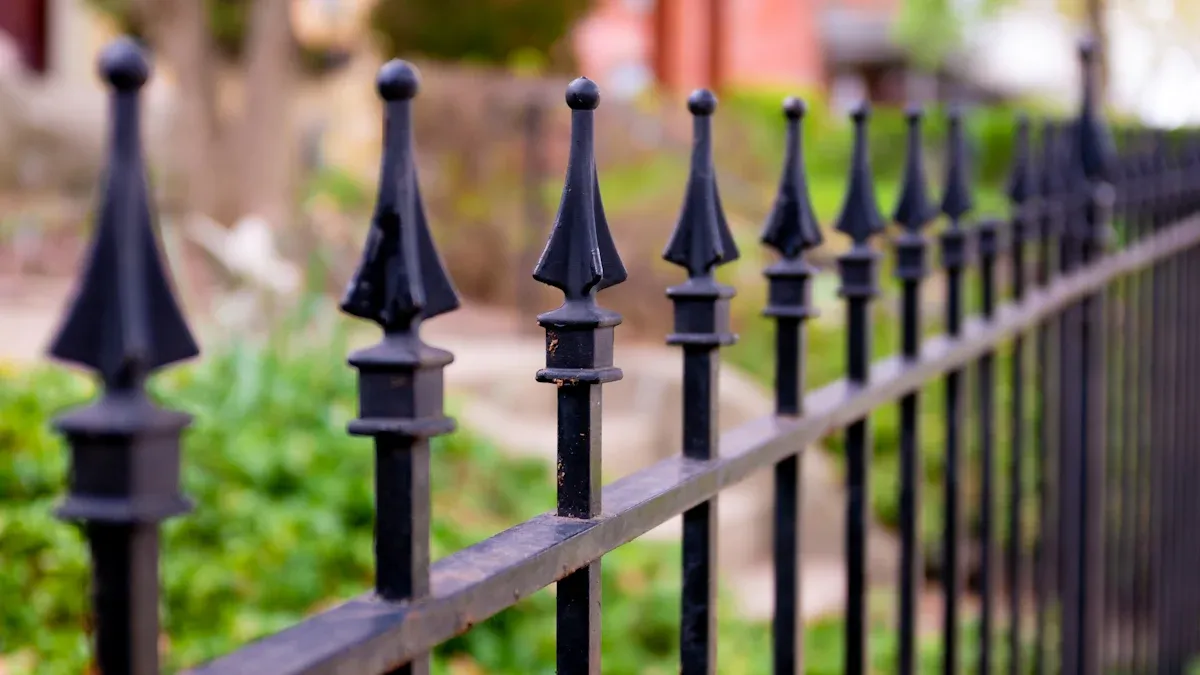
You see metal fencing in many places, from homes to schools and businesses. Metal fencing uses strong materials to create a barrier that lasts a long time. You can choose from several types, each with its own look and features. The most common types are wrought iron, steel, and aluminum. Each type of metal fencing offers different levels of strength, style, and care needs.
Here is a table to help you compare the main types of metal fencing:
Type of Metal | Appearance | Durability | Maintenance | Cost |
|---|---|---|---|---|
Wrought Iron | Classic, ornate | Long-lasting, can rust | High maintenance | Highest cost |
Steel | Modern, strong | Good rust resistance when coated | Moderate maintenance | Mid-range |
Aluminum | Lightweight, simple | Rust-proof, ideal for wet areas | Lowest maintenance | Lowest cost |
Metal fencing gives you many benefits. You get a fence that is strong and hard to break. Steel fences can last up to 30 years and offer high security. You can use metal fencing to mark your property and keep people out. Many businesses use metal fences for this reason. You can also pick from many styles, from simple to fancy. Metal fencing works well in both city and country settings.
Metal fencing stands up to wind, rain, and sun.
You can choose a style that matches your home or business.
Metal fencing can lower theft by making your property line clear.
Privacy metal fences can reduce break-ins at storage sites by over 60%.
Tip: If you want a fence that keeps your property safe and lasts a long time, metal fencing is a smart choice.
You should know about some problems with metal fencing. Rust is a big issue, especially for wrought iron and steel. If you do not check for rust, it can spread and weaken the fence. Paint can chip off, letting water reach the metal and cause more rust. Sometimes, metal fencing can bend or warp if hit hard. You may need to fix or repaint parts of your fence over time.
Watch for paint chipping, corrosion, and bending.
Bad weather can make rust and corrosion worse.
Regular checks help you find problems early and keep your metal fence strong.
Note: Taking care of your metal fencing helps it last longer and keeps it looking good.
When you look at composite fences like WPC fencing, you notice big differences from wood and metal. These fences are different in how long they last, how much work they need, their price, their style, how they affect nature, and how easy they are to put up. This part helps you compare each thing side by side so you can pick the best fence for your yard.
You want your fence to last a long time. Comparing durability shows which fence is strongest over the years. Composite fences like WPC fencing use recycled wood and plastic. This mix makes the fence tough and good in bad weather. Wood fences look nice but can rot or get bugs. Metal fences like steel or aluminum are very strong and can take hits.
Here is a table that shows how long each fence type lasts:
Fencing Type | Average Lifespan (Years) |
|---|---|
Composite | 35+ |
Wood | 10-15 |
Metal | 25-30 |
Composite fence panels last longer than wood and some metal fences. They keep their shape and color for many years. This shows why lots of people pick composite fences for long-term use.
Most people want a fence that is easy to care for. Composite fences, especially WPC fencing, need little work. You just rinse them with water or use a soft brush. Wood fences need painting, staining, or sealing every few years. You also have to check for rot, cracks, and bugs. Metal fences need less work, but you should look for rust and repaint if needed.
Wood fences need the most care. You must paint or stain them and fix damage from weather or bugs.
Metal fences need you to check for rust sometimes, especially if not coated.
Composite fence panels need almost no care. You save time and effort with these.
Tip: If you want to spend less time fixing and cleaning, composite fences are a smart choice.
Price is important when picking a fence. The money you spend at first and later can be very different. Wood fences can be cheap to put in, but cost more to keep up. Metal fences cost more at first, especially wrought iron, but last longer. Composite fence panels like WPC fencing may cost more at first, but you save money on repairs and care.
Here is a table that shows the total cost over 20 years:
Fencing Type | Estimated Total Cost (20 years) |
|---|---|
Composite | $4,200–$7,800 |
Wood | $4,000–$8,000 |
Metal | $5,500–$11,200 |
Composite fences give you a good mix of price and quality. You avoid high care costs of wood and the big starting price of some metal fences.
You want your fence to look nice and match your house. Composite fence panels come in many colors and styles. WPC fencing can look like wood or have a modern look. You can pick colors like cedar, black, grey, coffee, and more. Wood fences give a classic, natural look. You can paint or stain them any color. Metal fences look modern or fancy, depending on the type.
Composite fence panels have wood-like looks and modern styles.
Wood fences feel warm and classic.
Metal fences look smooth and strong, with fancy choices.
A recent survey found that many people now like composite fences for their natural look, easy care, and recycled materials. Homeowners also like the many colors and finishes they can choose.
You might care about how your fence affects the earth. Composite fences like WPC fencing use recycled wood and plastic. This helps cut waste and saves trees. Many composite fence panels have 50-95% recycled stuff. Wood fences can be good for nature if you use wood from safe sources, but you still have to cut trees. Metal fences can be recycled, and many use recycled metal.
Material Type | Carbon Footprint | Recycling Potential | End-of-Life Disposal |
|---|---|---|---|
Composite Fence | Medium, benefits from recycled content | Recyclable into new composite products | Non-biodegradable but recyclable |
Wood Fence (Sustainably Sourced) | Lower if managed well | Can be recycled or composted | Biodegradable |
Metal Fence | Medium, especially if recycled | Highly recyclable | Recyclable |
Factories that make composite fence panels try to lower their carbon footprint by using recycled materials and saving energy. You help the planet when you pick a fence made from recycled stuff.
You want a fence that is simple to put up. Composite fence panels are made for quick building. Many use boards that fit together and posts that are ready to go. Wood fences take 2 to 3 days to put up for a normal yard. Metal fences take 2 to 4 days, depending on the type and style. Composite fence systems can be put up just as fast, especially with help from pros.
Composite fence panels are easy to install and need fewer tools.
Wood fences may need more cutting and fitting.
Metal fences can be heavy and may need special tools.
Note: If you want a fast and easy job, composite fence panels are a great pick.
You can see that composite fences, especially WPC fencing, give you strong fences, easy care, and lots of style choices. You also help the earth by picking recycled materials. When you look at everything, composite fence panels are a smart and long-lasting choice for your yard.
When you choose a fence, you want to match your needs and lifestyle. Think about your budget, how much work you want to do, and the look you like. You also need to consider the purpose of your fencing and how long you want it to last. Here are some tips to help you pick the best option for your home.
If you want low maintenance, you have several choices. Composite fencing stands out because you only need to rinse it with water or use a soft brush. You do not need to paint or stain it. Vinyl and aluminum fences also require little care. You only need to wash them with soap and water. Chain link fencing is another low maintenance option. It needs just occasional cleaning. These fences save you time and effort over the long-term.
Composite fencing: easy to clean, no painting needed
Vinyl fencing: only needs soap and water
Aluminum fencing: no painting or staining
Chain link fencing: practical and simple to maintain
Tip: Choose composite or vinyl if you want a fence that stays nice with little work.
You want your fence to last for many years. Composite fencing offers a long lifespan and resists rot, insects, and fading. Vinyl fencing also lasts a long time and does not fade or crack. Wrought iron fences give you strength and longevity, but you need to check for rust. These options give you long-term value and reduce the need for replacement.
If you want a cost-effective solution, look at vertical wood plank fences or powder-coated steel. Composite fencing may cost more at first, but you save money on repairs and maintenance over the long-term. Vinyl fencing also offers good long-term value. Cedar fences last longer than pine and give you a better return on investment. Always check installation costs before you decide.
You may want a fence that looks great. Composite fencing gives you a natural wood look with less work. Vinyl fencing comes in many colors and styles. Metal fences, like wrought iron, offer both strength and beauty. Bamboo fencing gives a unique, eco-friendly style. Pick the one that matches your home and taste.
If you care about the environment, composite fencing uses recycled materials and helps reduce waste. Bamboo fencing is renewable and grows quickly. Metal fencing can be recycled at the end of its life. Wood fencing can be sustainable if you choose wood from managed forests. Composite options give you long-term value and help protect the planet.
Note: Think about your lifestyle, budget, and long-term goals before you choose your fence. The right choice gives you peace of mind and a fence that fits your needs.
You have many choices for fencing. WPC fencing works best if you want low maintenance and care about the environment. Wood fencing gives a classic look and feels warm. Metal fencing offers strong security. Think about what matters most to you—cost, style, or how much work you want to do. Always check your local weather and needs before you decide.
Tip: Pick the fence that matches your lifestyle and brings you peace of mind.
WPC fencing uses recycled wood fibers and plastic. You get a fence that resists rot, insects, and weather. Wood fences need more care. Metal fences can rust. WPC fencing gives you a long-lasting, eco-friendly option.
You can expect WPC fencing to last 20 to 30 years. It keeps its color and shape in most weather. You do not need to paint or stain it.
Yes, WPC fence panels are designed for easy installation. Many systems use interlocking boards and pre-made posts. You can finish most projects quickly with basic tools.
You only need to rinse WPC fencing with water or use a soft brush. You do not need to paint, seal, or stain it. This saves you time and money.
WPC fencing uses recycled materials. You help reduce waste and save trees. Many people choose WPC for its eco-friendly benefits and long lifespan.


